
THE BRUSSELS RUNNER'S RECOVERY GUIDE
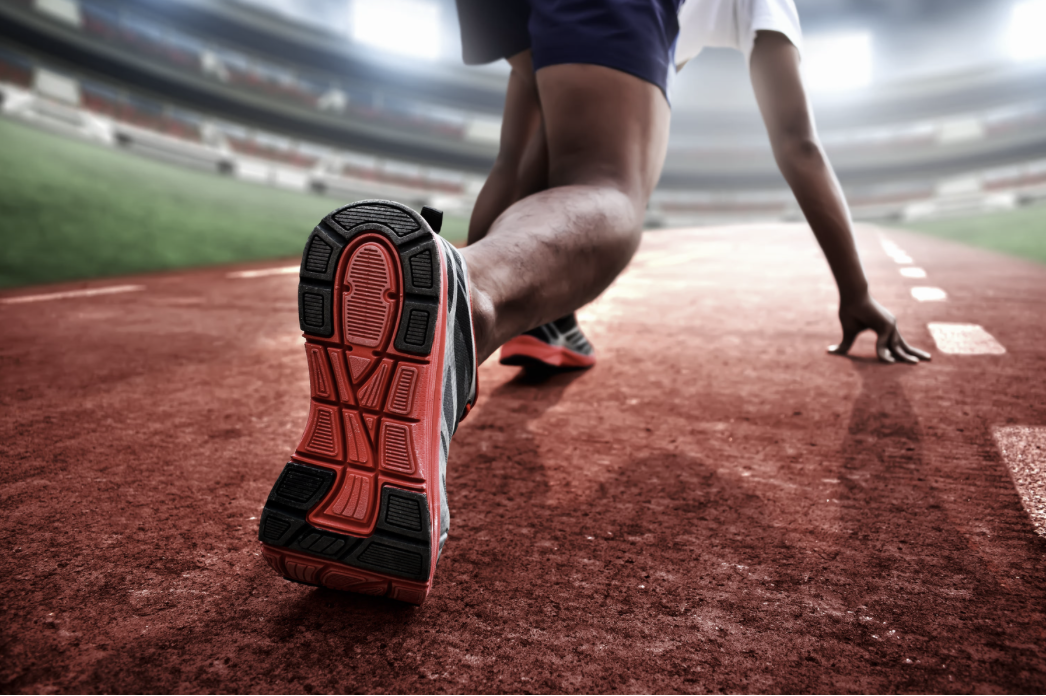
Run harder. Recover smarter.
You put in the kilometres through Bois de la Cambre, the Forêt de Soignes, and along the canal. Here's what the science says about recovering better — and why Brussels runners are discovering infrared therapy as their secret weapon.
45% reduction in DOMS at 24–48h withpost-run infrared
6% VO2maximprovement after 3 weeks of post-exercisesauna
4% improvementin runningspeed atlactate threshold
18% faster strengthrecovery at48h post-training
40K+ runners at the 20km de Bruxelles, Belgium's biggest race
Brussels is a runner's city. From the beech forests of Soignes to the flat canal paths, from the iconic slopes of the 20km de Bruxelles to the Saturday morning parkrun at Bois de la Cambre — this city moves on foot. And every runner in it, at every level, faces the same question after a hard session: how do I actually recover well?
YOUR CITY, YOUR ROUTES
Where Brussels Runners Push Their Limits
The Brussels running community is one of the most active and diverse in Belgium — attracting over 40,000 participants at the 20km de Bruxelles alone, with 141 nationalities represented in recent editions.From competitive athletes targeting the Brussels Marathon and Half Marathon in October to weekend warriors logging kilometres through the Forêt de Soignes, the city's runners are serious about their sport.
BRUSSELS' BEST RUNNING TERRAIN — AND WHAT IT DEMANDS FROM YOUR BODY
Forêt de Soignes
Ancient beech forest with rolling terrain and soft paths. Beautiful on the joints — but the hills accumulate. Popular for long Sunday runs and trail events.
Bois de la Cambre
The city's most popular running loop. Home to Saturday parkrun. Accessible, well-lit, and forgiving — but high frequency means cumulative fatigue builds fast.
Canal de Charleroi
Flat, uninterrupted kilometres along the water. Perfect for tempo runs and intervals — which means significant lactate accumulation and muscle fibre recruitment.
20km de Bruxelles Course
Tunnels, cobblestones, elevation, and 20km of city running. One of Belgium's most demanding urban race courses — and the recovery after it is no joke.
THE RECOVERY GAP
What Most Runners Get Wrong About Recovery
Most runners are diligent about their training. They track their pace, their heart rate, their weekly mileage. But recovery — the phase where adaptation actually happens, where the body rebuilds stronger than before — is treated as an afterthought. Rest day. Maybe a stretch. Perhaps an ice bath if things feel particularly rough.
The reality is that the quality of your recovery determines the quality of your next run. Carry residual inflammation and uncleared lactate into Tuesday's session and you're not training at your potential — you're digging a deeper hole. Over weeks and months, this is what leads to overtraining, injury, and the performance plateau most runners hit eventually.
DOMS & Muscle Damage
Delayed onset muscle soreness peaks 24–48 hours after hard effort. Most runners run through it, which compounds the damage rather than clearing it.
Residual Inflammation
Running produces systemic inflammation. Left unaddressed, it accumulates — affecting sleep, mood, hormonal balance, and next-session output.
Sleep Disruption
Hard training elevates cortisol and core temperature — both of which interfere with sleep onset and depth, ironically undermining the recovery that training demands.
Performance Plateau
When recovery doesn't match training load, adaptation stalls. Runners train harder, get slower, wonder why — and rarely look at recovery as the variable to change.
INFRARED THERAPY BRUSSELS · THE SCIENCE
What Infrared Actually Does for a Runner's Body
Infrared light therapy — specifically full-spectrum infrared as delivered by the Sunlighten mPulse at Healux in Uccle — addresses the runner's recovery problem at four distinct physiological levels. This isn't passive relaxation. It's an active recovery modality with a strong and growing evidence base in sports science.
01 - Lactate Clearance & Blood Flow
Infrared heat causes vasodilation, increasing blood flow to muscle tissue by up to 400%. After a hard run, this enhanced circulation delivers oxygen and nutrients to damaged muscle fibres while accelerating the removal of lactate and other metabolic waste products — the same mechanism as light active recovery, but without any additional mechanical stress on already-fatigued tissue.
This is why post-run infrared feels so different from simply resting: the body is actively clearing the chemistry of effort, not just waiting for time to pass.
Evidence: Strong — vasodilation and lactate research
02 - DOMS Reduction — 45% Less Soreness
A 2024 meta-analysis in Sports Medicine reviewed 27 studies on infrared therapy for muscle recovery. Athletes using infrared saunas within 2 hours after intense exercise showed a 45% reduction in delayed-onset muscle soreness at 24–48 hours compared to control groups. A 2023 study in the Journal of Strength and Conditioning Research found that infrared sauna use immediately after resistance training improved strength recovery by 18% at 48 hours post-workout.
For a runner training three to four times per week, this compression of the recovery window means each session starts from a higher baseline — compounding performance over a training block.
Evidence: Strong — 2024 meta-analysis, 27 studies
03 - VO2max & Lactate Threshold Gains
This is the finding that surprises most runners. Three weeks of intermittent post-exercise sauna bathing — approximately 30 minutes, three times per week — improved VO2max by approximately 6% and running speed at lactate threshold by roughly 4% compared to the control group. These are performance gains from recovery work, not from additional training load.
The mechanism is linked to plasma volume expansion — the same adaptation that altitude training produces — as the body responds to repeated heat stress by increasing blood volume, improving oxygen delivery to working muscles.
Evidence: Strong — Kirby et al., European Journal of Applied Physiology
04 - Neuromuscular Recovery & Sleep
Post-exercise infrared sauna sessions attenuate the drop in explosive performance and decrease subjective muscle soreness after resistance training — enhancing mood, readiness, and physical performance for subsequent sessions. Critically, a single infrared sauna session was found to have no detrimental effects on autonomic nervous system recovery — meaning it enhances recovery without adding physiological stress.
The post-session core temperature drop also sets up significantly better sleep — which is where the majority of physical adaptation to training actually occurs. Better sleep means better hormonal response, better glycogen restoration, and better neuromuscular repair.
Evidence: Strong — University of Jyväskylä, PMC 2023
45% reduction in DOMS at 24–48h when using infrared within 2h post-run
6% VO2max improvement after 3 weeks of post-exercise infrared sauna
4% improvement in running speed at lactate threshold — without extra training
18% faster strength recovery at 48h — more ready for your next session
RECOVERY BRUSSELS · PRACTICAL PROTOCOL
YOUR INFRARED RECOVERY PROTOCOL
AS A BRUSSELS RUNNER
Here's exactly how to integrate Healux sessions into your training week — at every level of the Brussels running community.
TIMING
Within 2 hours post-run for maximum DOMS reduction and lactate clearance. Or 90 minutes before bed for the sleep and cortisol reset that powers overnight recovery.
FREQUENCY
After your two hardest sessions of the week. For marathon training, add a third session mid-block when mileage peaks. Once weekly maintains benefits during lower-volume periods.
PROGRAMME
Use the Muscle Recoveryprogramme after hard efforts — 40 min, mid and far infrared targeting tissue repair. Use Relaxation before bed to reset the nervous system and sleep deeply.
HYDRATION
Drink 500ml water before your session and replace electrolytes after. Post-run infrared combines two high-sweat events — hydration is non-negotiable.
RACE WEEK
A gentle Relaxation session 2–3 days before a race lowers inflammation and cortisol without adding fatigue. Avoid the day before — prioritise rest and sleep.
LOCATION
Healux is in Uccle — central to the Brussels running community and easy to reach from Bois de la Cambre, Forêt de Soignes, and the city centre.
WELLNESS UCCLE · LONGEVITY · RECOVERY BRUSSELS
Brussels Runs. Healux Recovers.
Healux is Brussels' first dedicated full-spectrum infrared studio, located in Uccle — at the heart of the city's most active running community. Every session runs on the Sunlighten mPulse, the most clinically studied infrared sauna system available, with programmes specifically designed for athletic recovery, pain relief, and longevity.
Whether you're targeting your first 10km or preparing for the Brussels Marathon, recovery is the variable that determines how far and how long you can run. Make it count.
BOOK YOUR RECOVERY SESSION
AT HEALUX UCCLE
Private infrared sessions for Brussels runners. 40 minutes Recovery and Pain-Relief. Science-backed. Ready when your run is done.
