
Burnout, Bad Sleep & Your Nervous System
Why so many of us feel wired but exhausted—and how infrared therapy helps your body remember how to slow down.
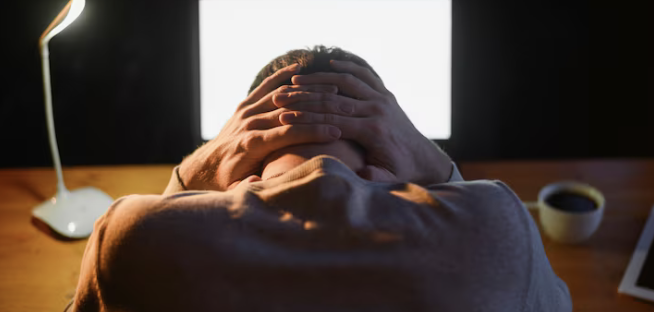
Have you ever climbed into bed completely exhausted... only to find your mind wide awake?
Or woken up after eight hours of sleep feeling like you barely rested at all?
You're not lazy.
You're not broken.
Your nervous system may simply be stuck in survival mode.
Modern life asks our brains to process more information in a single day than previous generations encountered in weeks. Emails, notifications, traffic, deadlines, constant stimulation, social media and endless decisions keep the brain in a state of low-grade alert from morning until night.
Your body doesn't distinguish between an approaching predator and an overflowing inbox.
Stress is stress.
And over time, it accumulates.
Your Body Was Never Designed for This
Thousands of years ago, stress came in short bursts.
You escaped danger. Cortisol rose. Your heart rate increased. Then the threat disappeared and your body returned to normal.
Today, the threat rarely disappears.
Research has linked chronic stress to anxiety, poor sleep, weakened immunity, elevated blood pressure, chronic inflammation, impaired memory, burnout and accelerated ageing.
The body was designed to recover. The problem is that many of us never truly switch into recovery mode.
The Two Nervous Systems Running Your Life
Sympathetic ("Fight or Flight")
• Faster heart rate
• Shallow breathing
• Higher cortisol
• Muscle tension
• Reduced digestion
Parasympathetic ("Rest and Digest")
• Slower breathing
• Lower heart rate
• Better digestion
• Deeper sleep
• Mental clarity
• Healing and recovery
The goal isn't to eliminate stress. It's to become better at returning to calm.
Why Infrared Therapy Works So Well
People often describe infrared sessions as the deepest relaxation they've experienced in years—not simply because it's warm, but because the body begins to change physiologically.
As your body gently warms:
• Blood vessels expand
• Circulation improves
• Muscles release tension
• Heart rate rises similarly to light exercise
• The nervous system shifts toward recovery
Rather than forcing relaxation through willpower, infrared creates the conditions that allow your body to naturally let go.
What Happens During a Session
First 5 minutes
Your body adapts to the heat, circulation increases and breathing naturally slows.
Around 15 minutes
Muscles begin releasing tension. Many people notice their shoulders finally relax.
Around 30–40 minutes
Core temperature rises, deep sweating begins and the nervous system moves further into recovery.
After your session
As your body cools, it mimics one of the natural signals that prepares the brain for sleep—one reason evening sessions are so popular.
Why Better Sleep Starts Long Before Bedtime
Sleep begins long before your head reaches the pillow.
If cortisol remains elevated into the evening, deep restorative sleep becomes more difficult.
Research suggests regular sauna bathing may improve sleep quality, reduce perceived stress, support heart rate variability, reduce muscle tension and improve overall wellbeing.
Combined with the red and near-infrared light technology in the Sunlighten mPulse, evening sessions may also support healthy mitochondrial function and your natural sleep-wake rhythm.
Small Habits Create a Calmer Nervous System
Infrared therapy works best as part of a broader recovery routine.
• Spend time outdoors
• Move your body regularly
• Keep a consistent sleep schedule
• Limit evening screen exposure
• Practice slow breathing
• Stay hydrated
• Eat nourishing foods
• Make infrared sessions part of your weekly routine
Recovery isn't one decision. It's a collection of small habits repeated consistently.
Why We Created HEALUX
We didn't create HEALUX because people needed another place to relax.
We created it because modern life has made genuine recovery remarkably difficult.
HEALUX is a place where science meets stillness, where technology supports biology, and where recovery becomes something you schedule—not something you hope eventually happens.
The Real Luxury Is a Calm Nervous System
We often think wellness is about doing more.
Sometimes the healthiest thing you can do is the opposite.
Pause.
Breathe.
Allow your body to remember what calm feels like.
When your nervous system recovers, everything else—from sleep and energy to mood, resilience and long-term health—has the opportunity to improve alongside it.
